Simplifying E-Waste Pickup: What Our Recycling Services Offer
Electronic waste has emerged as a significant environmental concern as the tech industry keeps advancing. A growing number of people find it difficult to get rid of their outdated electronics in an eco-friendly manner. Understanding the process of e-waste pickup can simplify this task. Being aware of what certified recycling services offer is critically important. As the need for effective waste management rises, the implications for individuals and the environment deserve greater attention.
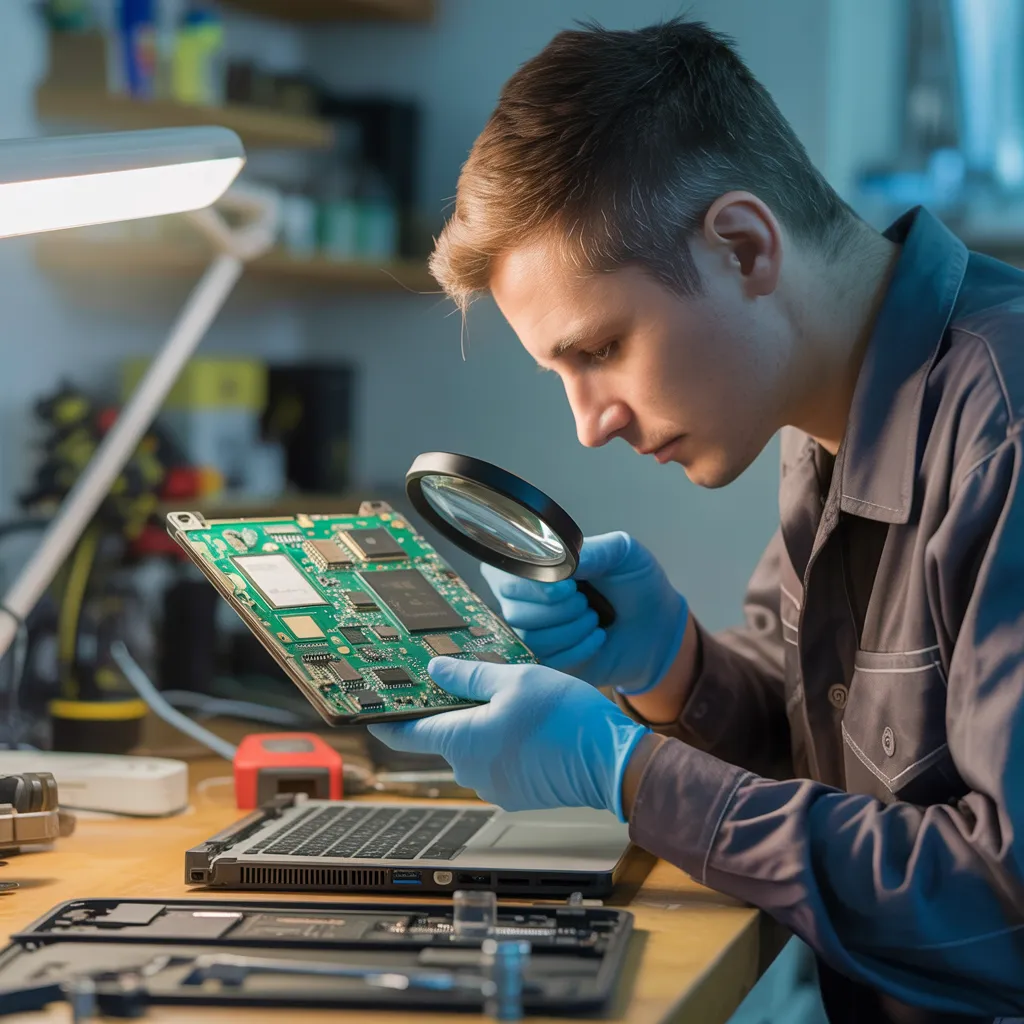
What Is E-Waste and Why Should You Care?
E-waste, an abbreviation for electronic waste, includes obsolete electronic products including televisions, computers, and smartphones. This expanding category of waste presents serious environmental concerns. With the rapid pace of technological advancement, consumers are replacing their devices more often, contributing to a rise in electronic waste. Incorrect disposal methods can introduce toxic materials, such as lead, mercury, and cadmium, into the environment, polluting soil and water supplies.
Furthermore, e-waste contributes to resource depletion, as valuable materials like gold, silver, and copper are commonly discarded when devices are thrown away rather than recycled. Increasing understanding of e-waste is of great importance, as individuals and businesses alike can play a role in reducing its impact. By recognizing the consequences of e-waste, communities can adopt more responsible disposal practices and champion recycling efforts. When all is considered, caring about e-waste not only defends environmental health but also fosters an eco-friendly economy.
Items We Accept for E-Waste Recycling
An extensive variety of electronic devices may be submitted for recycling, helping to mitigate the environmental impact of e-waste. Typical items consist of old computers, laptops, tablets, and smartphones, which frequently harbor hazardous materials. Additionally, peripherals such as printers, keyboards, and mice are also accepted. Televisions, monitors, and other display devices are covered under the accepted categories, ensuring safe disposal of toxic components.
Domestic appliances, like microwaves and refrigerators, can also be accepted, so long as they are not in working condition. Rechargeable batteries, in particular, are crucial to recycle owing to the chemicals they contain. Networking devices, audio equipment, and gaming consoles are further examples of acceptable items.
How to Arrange Your E-Waste Pickup
Curious about how to schedule an e-waste pickup? Setting up an e-waste pickup is an uncomplicated process crafted for your convenience. Anyone interested can start by navigating to the recycling service's website, where they will find a designated portion for booking pickups. Typically, there is an easy-to-use online form that requires basic information such as full name, home address, and the kinds of e-waste to be picked up.
Once the form has been submitted, applicants should anticipate a follow-up email providing the specific date and time details. Many services also offer a phone option for people who prefer a more personal approach. Checking for any particular prerequisites, such as packaging or preparation of items, ahead of the collection time. Finally, certain recycling providers may offer helpful guidance or recommendations for streamlined e-waste collection, ensuring a smooth and effective collection process. This enables everyone to take part in environmentally responsible e-waste handling.
The Importance of Caring About E-Waste Disposal
E-waste disposal is vital for safeguarding the environment and public health. Mishandling electronic waste can result in dangerous substances polluting soil and water sources, creating significant health hazards. Recognizing the importance of responsible e-waste management is essential for a sustainable future.
Awareness of Environmental Impact
What makes proper electronic waste disposal a concern for individuals? E-waste poses a serious threat to the environment, as improperly discarded electronics contribute to pollution and resource depletion. Many electronic devices contain toxic substances, such as lead and mercury, which have the potential to contaminate soil and water, posing a threat to ecosystems and wildlife. Additionally, e-waste represents a lost opportunity for recycling valuable materials like gold, copper, and rare earth elements. By increasing awareness of proper e-waste disposal methods, individuals can help reduce their carbon footprint and promote sustainable practices. Backing recycling programs not only reduces environmental damage but also encourages a circular economy in which materials are continuously reused and repurposed, creating lasting benefits for future generations and the earth.
Managing Health Risks
Improper disposal of electronic waste poses serious health risks to communities and individuals alike. Dangerous materials contained in Reach out e-waste, such as lead, mercury, and cadmium, can infiltrate soil and groundwater, tainting local water supplies and food sources. Exposure to these hazardous materials can lead to severe health issues, including neurological damage, respiratory problems, and increased cancer risks. Moreover, unofficial recycling operations tend to intensify these hazards, since workers may not have proper protective gear when disassembling devices. By prioritizing responsible e-waste disposal through certified recycling services, individuals can mitigate these health risks, ensuring safer environments for themselves and their communities. Understanding these risks highlights the essential need for responsible e-waste handling.
How We Provide Safe and Eco-Conscious E-Waste Recycling
In an era growing ever more dependent on technology, the secure and sustainable recycling of electronic waste is vital for ecological balance. To achieve this, companies adopt comprehensive methods that adhere to environmental regulations and best practices. They initiate with thorough examinations of e-waste, classifying materials according to material types and potential hazards. This guarantees that harmful substances, such as heavy metals like lead and mercury, are properly managed.
Additionally, advanced recycling techniques are employed to recover valuable materials, minimizing landfill contributions. Advanced facilities powered by state-of-the-art technology responsibly break down devices, separating components for reuse or recycling. In addition, these firms emphasize building relationships with certified recyclers who are aligned with sustainable and eco-friendly values.
Staff education additionally strengthens safety protocols, confirming that every employee is well-informed regarding dealing with potentially dangerous substances. Through these extensive strategies, companies serve a vital function in promoting a circular economy while protecting the well-being of people and the natural world.
Advantages of Using Our E-Waste Pickup Services
Utilizing specialized e-waste pickup services optimizes the method of getting rid of outdated electronic equipment while fostering environmental responsibility. These services eliminate the burden of transportation, allowing individuals to easily arrange collections at their scheduling preference. This not only saves time but also lowers the chance of inappropriate disposal, confirming that toxic materials are treated responsibly.
Furthermore, these providers often provide certified proof verifying the recycling procedure, which is beneficial for enterprises striving to adhere to legal guidelines. Leveraging expert providers also increases public knowledge about digital waste concerns, encouraging more community members to participate in sustainable practices.
Additionally, many e-waste pickup services team up with approved recycling plants, guaranteeing that all materials are handled in an eco-friendly way. This collective effort greatly aids in limiting landfill usage and safeguarding natural resources, rendering e-waste removal services a responsible choice for both individuals and businesses.
Popular Questions Regarding E-Waste Disposal
What are the key things to know about e-waste disposal? Many individuals often have questions regarding the proper methods and regulations governing electronic waste. First, it is vital to understand that e-waste includes discarded devices such as computers, televisions, and smartphones, which contain hazardous materials. Responsible disposal is critical for safeguarding the environment.
Another typical question relates to nearby recycling alternatives. Several communities have specific drop-off points or arranged collection services for e-waste. We recommend reviewing local regulations, as certain regions may enforce particular disposal requirements.
Questions often arise regarding the security of personal data. Before recycling devices, it is essential that individuals verify all stored personal details are permanently removed.
Finally, there may be concerns about costs. A large number of e-waste recycling options are available at no cost, but a few may levy charges for select devices. Recognizing these considerations can enable effective and responsible e-waste management.
Answers to Your Most Common Questions
How Do You Ensure Data Security During E-Waste Recycling?
To maintain data security during e-waste recycling, the organization employs certified data destruction methods, including physical destruction of storage devices and thorough data wiping, effectively safeguarding confidential information across the full recycling process.
What Occurs with E-Waste Following Pickup?
After collection, e-waste gets sorted, taken apart, and processed. Precious materials are salvaged for reuse, while harmful parts are carefully disposed of. This upholds environmental standards and advances resource recovery within the recycling process.
Are There Any Fees for E-Waste Pickup?
Charges for e-scrap retrieval tend to vary according to the service provider and location. Some companies may offer no-cost retrieval, while alternative companies may apply a fee determined by the volume or type of electronic materials that is collected.
Can My Old Electronics Be Donated Instead?
Yes, individuals can contribute old electronic devices to numerous nonprofit organizations, educational institutions, or community hubs. A large number of them take in operational electronics, supporting device reuse while cutting down on waste. Giving away electronics helps those who need them most, making it a worthwhile and positive decision.
What Are the Environmental Effects of E-Waste Recycling?
The ecological significance of e-waste recycling is substantial, minimizing landfill overcrowding, conserving natural resources, and minimizing hazardous materials release. Effective recycling practices promote sustainability and decrease the ecological footprint associated with discarded electronics.